The allure of a well-designed landscape can be significantly enhanced by the inclusion of decorative water features. These elements not only serve as focal points but also create a sense of tranquility, drawing people into the outdoor space. Whether it's a grand fountain in the front yard or a subtle pond nestled in the backyard, these water features can elevate curb appeal while contributing to the overall aesthetic and environmental quality of your property.
The Role of Water Features in Landscape Design
Incorporating water features into landscape designs can dramatically change the character of a property. They introduce movement, sound, and light, which are often missing from static landscaping elements. The gentle trickle of water can mask unwanted noise from nearby roads or neighbors, providing an oasis of calm. Moreover, strategically placed lighting can illuminate these features at night, creating a stunning visual display that enhances safety and beauty simultaneously.
Types of Decorative Water Features
When considering which type of water feature to install, it is essential to match it with the style and scale of your property. Common types include:
- Fountains: These come in various styles and sizes, from small tabletop models to elaborate tiered fountains. Fountains often serve as dramatic focal points in gardens or entrances. Ponds: A pond can attract wildlife such as birds and frogs while supporting aquatic plants. It also provides opportunities for recreational activities like fishing or swimming. Waterfalls: This feature can add dynamic movement to any landscape while creating soothing sounds that enhance relaxation. Birdbaths: While smaller than other features, birdbaths can attract local avian life and contribute delightful activity to your yard. Stream beds: Mimicking natural waterways, these features can help manage runoff while adding beauty and tranquility.
Each type offers unique benefits that contribute to both aesthetic appeal and ecological health.
Designing Your Water Feature
Thoughtful design is critical when planning a water feature. Factors such as size, placement, materials, and function must be considered to ensure harmony with existing landscaping.
Size Matters
Choosing the right size is crucial for achieving balance within your garden. A large fountain may overwhelm a small yard while providing insufficient impact in an expansive landscape. Conversely, tiny birdbaths might get lost amidst lush gardens or vast open spaces. Consider conducting mock-ups using garden hoses or stakes to visualize how different sizes would fit before committing.
Placement Considerations
Placement advanced irrigation systems affects not only visibility but also functionality. Fountains should ideally be placed where they can be appreciated from multiple angles—perhaps near seating areas or paths where they become inviting conversation pieces. Ponds should be situated where sunlight penetration supports aquatic life yet remains visible without overshadowing surrounding flora.
Material Selection
Materials play a significant role in both aesthetics and maintenance needs. Stone fountains offer rustic charm but may require more upkeep compared to contemporary fiberglass options that are lightweight and easy to install. Always consider durability against weather conditions; some materials might not withstand extreme temperatures well.
Enhancing Sustainability through Water Management
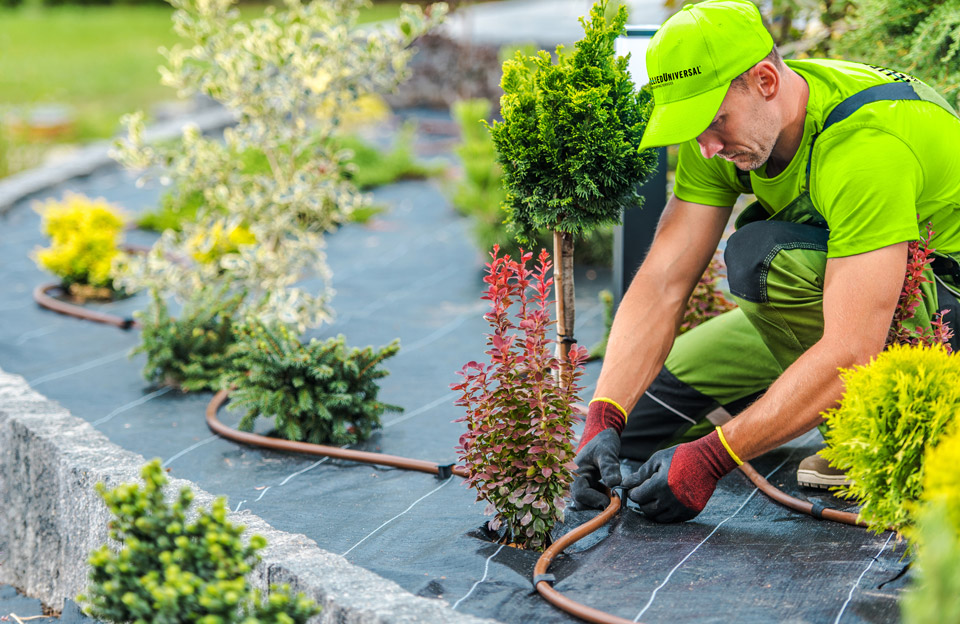
Integrating sustainable practices into your decorative water feature's design ensures long-term viability without harming the environment. Smart irrigation systems help manage water usage efficiently by adjusting based on weather conditions or soil moisture levels.
Eco-Friendly Water Features
Choosing native plants around ponds reduces the need for excessive irrigation while promoting local wildlife habitats. Rainwater harvesting systems paired with decorative ponds can provide a self-sustaining ecosystem that minimizes reliance on municipal sources.
Maintenance Considerations
Aesthetic appeal should not come at the expense of time-consuming upkeep. Regular cleaning is essential for maintaining clarity in ponds or preventing algae buildup in fountains—both tasks that keep the feature looking its best and functioning properly over time.
Incorporating Technology for Modern Appeal
As technology advances, so do possibilities for enhancing outdoor spaces through smart irrigation systems designed specifically for landscape irrigation purposes. These innovations allow homeowners greater control over their watering schedules based on real-time data from sensors monitoring soil moisture levels or rainfall patterns.
Advantages of Smart Irrigation Systems
Water Conservation: By tailoring watering needs according to specific plant requirements rather than fixed schedules. Cost Efficiency: Lowering utility bills through reduced water usage. Ease of Use: Many systems have mobile apps enabling remote management from anywhere. Minimized Environmental Impact: Supporting sustainable practices translates into less strain on local ecosystems.Creating an Inviting Atmosphere
Beyond mere aesthetics, decorative water features create an inviting atmosphere conducive to relaxation and enjoyment—perfect for entertaining guests or unwinding after a long day at work.
Soundscapes Matter
The auditory experience provided by flowing water can drastically alter perceptions about outdoor spaces; it creates a serene environment that encourages mindfulness—a rare quality amid our fast-paced lives today.
Engaging All Senses
Incorporating sensory elements beyond sight stimulates engagement with nature—think fragrant flowers blooming alongside ponds where dragonflies flit above shimmering surfaces reflecting sunlight throughout varying times during day cycles!
Final Thoughts on Investment Value
Investing in decorative water features offers tangible returns beyond immediate visual appeal; they attract homebuyers who appreciate thoughtful landscaping choices resulting in increased property values over time—especially when integrated seamlessly within broader design themes across entire properties!
By taking time up front during planning stages—considering all aspects discussed above—you’ll ensure any installation serves its purpose effectively while maximizing curb appeal sustainably!
Maintaining an eye toward innovative solutions ensures longevity amidst changing climates too; adapting designs allows continued enjoyment regardless if seasons shift unexpectedly! So whether you’re dreaming about tranquil koi ponds gently lapping against stones lining edges—or energetic bubbling fountains splashing joyfully—you’ll find that your investment pays dividends far exceeding initial costs over years ahead!